Mobile apps
A mobile app earns its place when it does something the web cannot: work offline, use the camera and GPS, push a notification that someone acts on. We build those, and we are happy to tell you when you do not need one.
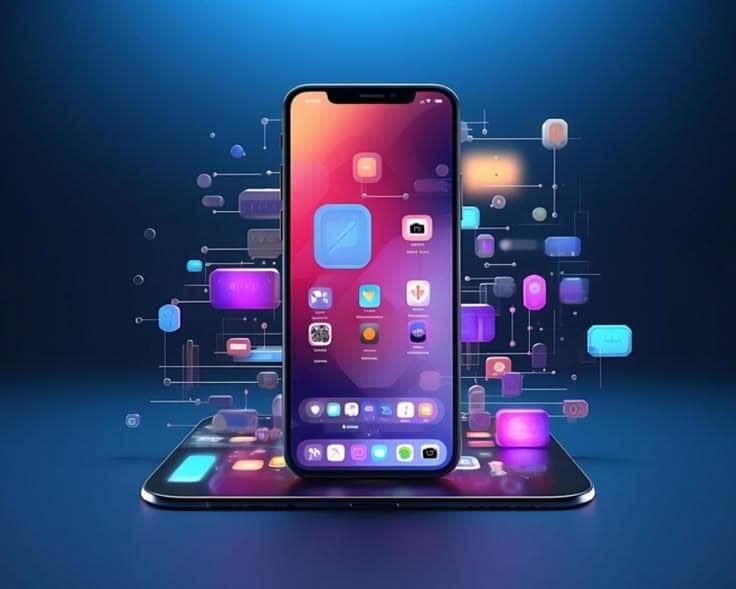
B-03.1 — What we deliver
Android and iOS, built for the field
- 01Android and iOS from one codebase — React Native or Flutter
- 02Native modules where performance or hardware demands them
- 03Offline-first data, with sync that survives
- 04Push notifications, deep links and in-app updates
- 05Store submission, review handling and release management
- 06Crash reporting and usage analytics from day one
B-03.2 — How we work
Four steps, no surprises
- 01Decide it is an appWe check the job against a web app first. If a browser does it, we say so.
- 02Prototype the flowThe two or three screens people live in get built and tested on a real device before the rest.
- 03Build for the fieldOffline, low battery, old phone, bad network — those are the test cases, not the edge cases.
- 04Ship and iterateStaged rollout, crash dashboard watched daily, and a fast lane for the first fixes.
B-03.3 — The work
Where we have done it

B-03.4 — Questions
What people ask first
One, in almost every case. We go native only where a feature genuinely needs it, and then only for that part.
We set them up in your company's name and walk the first submission through review with you.
That is a design decision made at the start: the local database is the source of truth and the server reconciles later. Retro-fitting it is expensive, so we ask early.